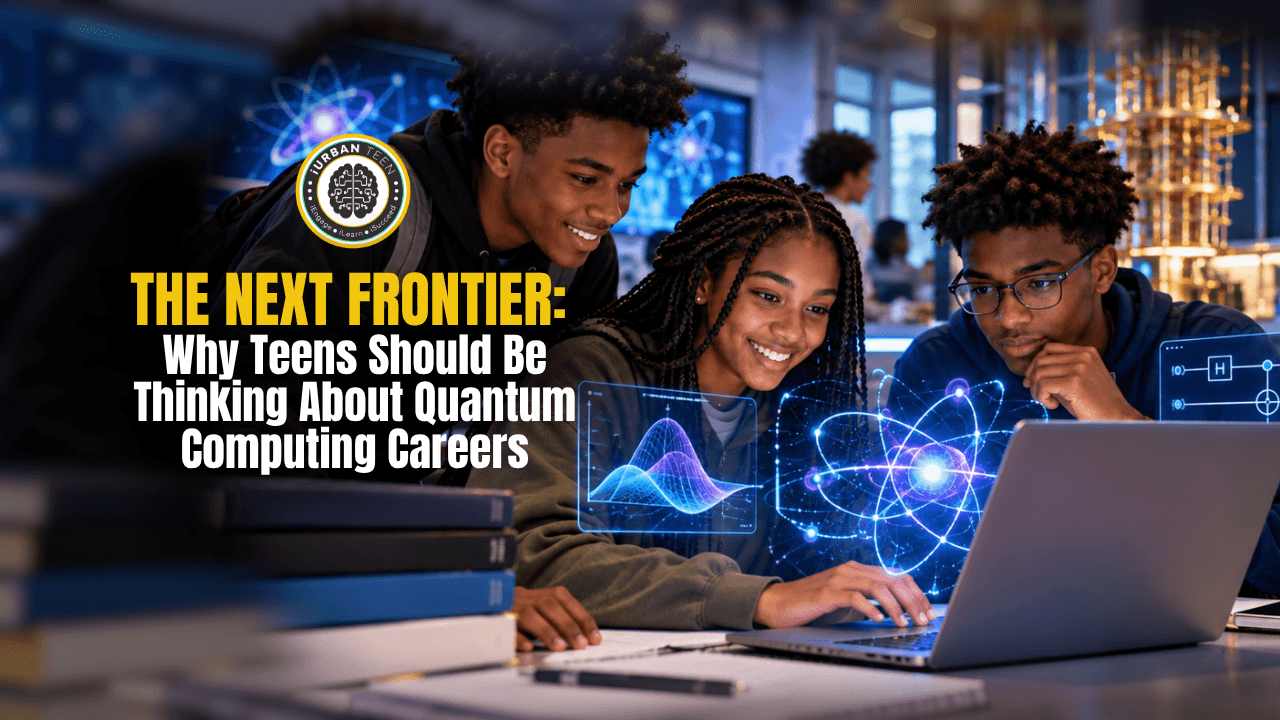
Quantum computing — technology that uses the strange rules of quantum mechanics to solve problems far beyond what today’s computers can handle — is no longer confined to research labs. The field combines quantum mechanics, computer science, engineering, and mathematics to solve problems beyond classical computers’ capabilities in areas like drug discovery, optimization, cryptography, and AI. That shift from theory to real-world application is exactly why the U.S. government has recently poured billions into the industry — including a $2 billion package of grants and equity stakes in companies like IBM, D-Wave, and Rigetti — signaling that quantum isn’t a passing trend, but a technology the country is betting its future on.
For teens wondering if this is a realistic career path, the numbers say yes — and the door is wider open than most people assume. Quantum-related job postings have surged dramatically, over 400% in recent years in some reports, with global demand potentially reaching around 250,000 professionals by 2030 and up to 840,000 by 2035. Perhaps most importantly for students without a PhD in their future plans: a recent analysis of over 5,000 quantum job postings found that 55% of the jobs required only a bachelor’s degree or less, while just 31% required a PhD, and in the private sector roughly 80% of jobs did not require a PhD. Career paths span quantum software engineering, hardware engineering, algorithm development, and systems integration — meaning students who love coding, physics, or engineering all have a lane in.
So what should a teen actually do right now? Start building the fundamentals that quantum careers are layered on top of: strong math (especially linear algebra and probability), physics, and computer science/coding — Python especially, since it’s the base for quantum programming frameworks like Qiskit. Free resources like IBM’s Qiskit tutorials and IBM SkillsBuild exist specifically to let curious students experiment with real quantum programming before college. And because quantum roles demand overlap across physics, computer science, electrical engineering, and domain expertise, while the pool of qualified applicants hasn’t kept pace with job postings that grew roughly 180% between 2020 and 2024, the students who start early — even just exploring the basics in high school — will have a real head start entering a field that’s actively hunting for talent.
Sources:
- The Quantum Insider, “How to Start a Career in Quantum Computing in 2026” — thequantuminsider.com
- PostQuantum, “Career Opportunities in Quantum Technologies (No PhD Required)” — postquantum.com
- Rod Trent, “Quantum Computing Career Prospects in 2026 and Beyond” — rodtrent.substack.com